
Employee Retention and Leadership Alignment in Manufacturing M&A

When a manufacturing company is acquired, the biggest variable isn’t the machinery; it’s the people. Missteps in leadership alignment, communication, or employee retention can quickly slow production, fracture culture, and erode the value you expect from the deal.
This guide outlines eight essential steps to help manufacturing owners and operators keep teams aligned, reduce turnover, and maintain operational momentum post-acquisition, both on the shop floor and in the C-suite.
And when you need an experienced partner, Summit Capital Advisors is here to guide you through each stage of the acquisition process with clarity and confidence.
Why Employee and Leadership Transitions Matter in Manufacturing Acquisitions
Manufacturing integrations carry unique people-related risks that differ from other industries. Beyond financial and operational due diligence, you must navigate:
- Physical production environments where any disruption affects output and revenue
- Deep, specialized knowledge tied to individual operators and technicians
- Long-standing shop-floor cultures
- Union considerations that shape how changes can be implemented
- Safety and compliance obligations that must remain intact during transition
It’s also essential to get ahead of compliance risks early. Learn more in our guide to common OSHA safety compliance red flags.
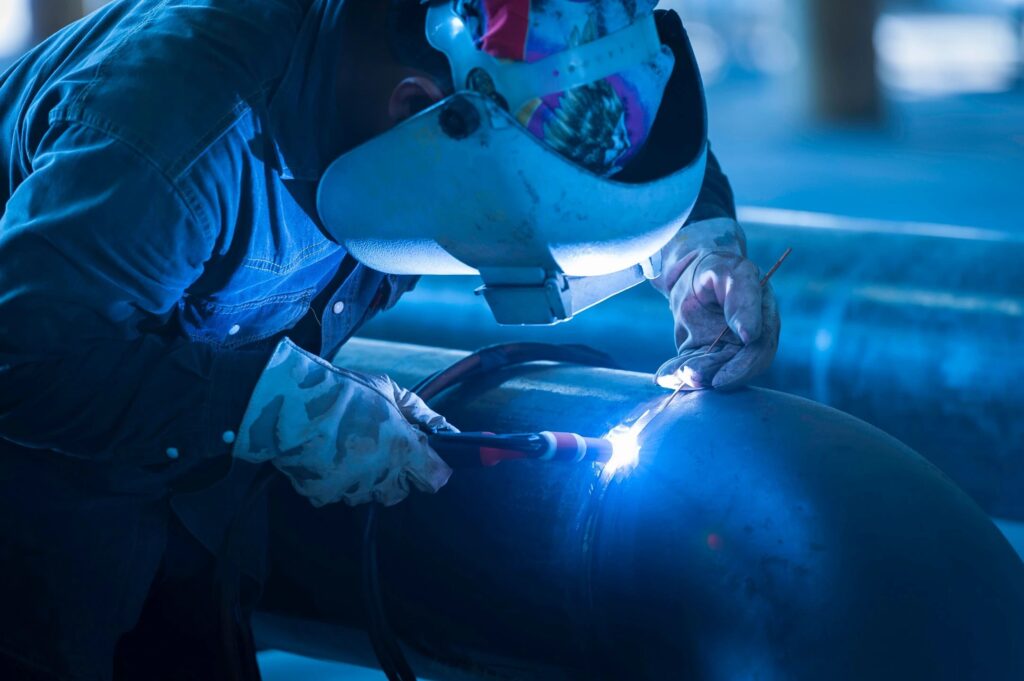
Workforce challenges are one of the leading causes of deal underperformance. When cultures misalign, or key people leave, production slows, customer commitments slip, and overall deal value declines.
The following eight steps help you avoid those outcomes and build a strong people strategy from day one.
1. Start HR Due Diligence Early
The people side of an acquisition is won or lost long before closing. Early HR due diligence helps you identify talent risks, cultural friction points, and knowledge gaps before they become operational issues.
Focus on:
- Building an HR due diligence team representing both organizations
- Identifying employees critical to operations, customer continuity, and intellectual property
- Reviewing compensation, benefits, and union agreements to anticipate disparities
- Documenting tribal knowledge like setups, sequences, maintenance nuances, and machine quirks
Early insights allow you to plan ahead. In one recent engagement, identifying a single scheduler with unique sequencing knowledge allowed the buyer to implement a knowledge transfer plan pre-close, preventing a significant production bottleneck.
2. Select Leadership with a Structured, Objective Process
Leadership decisions send signals across the entire organization. When they’re rushed or politically driven, uncertainty rises, and voluntary turnover often follows.
Use a systematic approach:
- Establish clear criteria based on post-acquisition goals
- Conduct objective assessments of leaders on both sides
- Identify informal leaders who influence shop-floor morale
- Use interim structures if needed to maintain stability
Strategic leadership alignment protects institutional knowledge and builds confidence across teams. The strongest integrations often blend leadership talent from both companies.
3. Identify and Engage Cultural Anchors
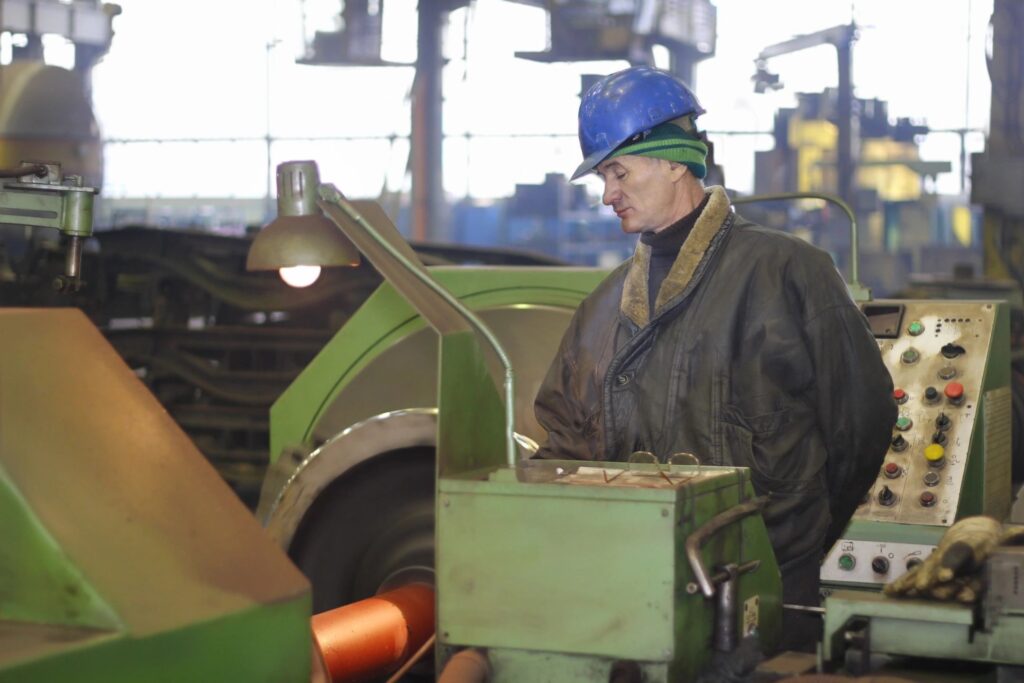
Every facility has respected veterans including operators, technicians, and supervisors whose opinions shape how others respond to change. These “cultural anchors” can accelerate alignment or quietly stall progress.
Strengthen their involvement by:
- Mapping informal influence networks
- Engaging anchors early to gather insights and anticipate concerns
- Giving them visible roles during integration
- Creating retention plans to ensure stability
In many environments, a 20-year machinist’s endorsement of the transition does more for morale than any town-hall meeting. Recognizing and activating these anchors is essential.
4. Build Retention Plans for Key Employees
Turnover often spikes after a transaction, and high performers are frequently the first to consider leaving. Retention strategies should reflect both role criticality and the realities of manufacturing work.
Effective plans often include:
- Tiered retention bonuses based on flight risk and operational importance
- A mix of financial and non-financial incentives
- Career path clarity or expanded responsibility
- Consideration for shift structures, overtime, and production bonuses
Executives typically prioritize strategic influence and compensation alignment, while shop-floor teams value job security, stability, and team cohesion. Tailor communication and incentives accordingly.
5. Communicate Clearly, Consistently, and Empathetically
Strong communication reduces uncertainty, builds trust, and creates alignment. Companies with effective communication strategies during M&A consistently outperform peers.
Communicate with intention:
- Set a consistent cadence tailored to leadership, supervisors, and operators
- Answer “What does this mean for me?” early for each group
- Account for limited computer access on the floor and varying shift schedules
- Be transparent about decisions already made and those still in motion
On the shop floor, prioritize communication methods that work in real time:
- Daily standups to address immediate questions
- Visual boards showing integration progress and key metrics
- Clear shift handover protocols
- Multilingual updates as needed
- Channels for anonymous feedback
Employees can handle difficult news. What undermines morale is uncertainty, silence, and speculation.
6. Empower Middle Managers as Change Leaders
Middle managers carry the weight of implementation. They’re responsible for meeting production targets while helping teams navigate change, often without additional time or resources.
Support them by:
- Equipping them with clear messaging and talking points
- Creating peer networks across both companies
- Providing training in communication and change leadership
- Setting realistic expectations for balancing production and integration tasks
When middle managers have support, alignment grows faster, and operational stability holds firm.

7. Use Real-Time Tools to Engage the Shop Floor
Traditional town halls rarely reach operators tied to machines or working across multiple shifts. Real-time, on-the-floor engagement tools create continuity without interrupting production.
Consider using:
- Digital tools accessible at terminals or on mobile devices
- Visual boards linking integration updates with safety, quality, and OEE metrics
- Regular gemba walks focused on transition issues
- Quick-response channels for raising and resolving concerns
- Dedicated integration liaisons who maintain a visible presence on the floor
Meeting people where they work strengthens trust and reduces friction.
8. Bring in Specialized External Support When Needed
Even experienced teams benefit from specialized guidance, especially when navigating complex manufacturing environments.
Outside expertise can help with:
- Integration planning and execution
- Leadership assessment and selection
- Cultural alignment
- Interim management for critical roles
- Objective benchmarking and progress tracking
Summit Capital Advisors supports manufacturers through planning, day-one readiness, and post-close optimization, helping you avoid common pitfalls and maintain operational continuity throughout the transition.
Build a Foundation for Long-Term Success
People ultimately determine whether a manufacturing acquisition strengthens the business or erodes its value. With deliberate planning and focused execution, you can stabilize your workforce, retain critical knowledge, and maintain production throughout the transition.
To recap:
- Begin HR due diligence early
- Choose leaders through a structured, fair process
- Identify and activate cultural anchors
- Protect key employees with tailored retention
- Communicate clearly and consistently
- Support middle managers
- Engage the shop floor in real time
- Bring in outside experts when appropriate
These steps help protect throughput, preserve culture, and realize the value behind your deal.
Ready to Ensure a Smooth Transition?
If you’re preparing for an acquisition or managing one now, Summit Capital Advisors can help you build a transition plan that protects value at every stage.
Call (330) 283-3900 or contact us today for a confidential consultation.
Frequently Asked Questions
1. Why do employee and leadership transitions matter so much in manufacturing M&A?
Because manufacturing operations rely on specialized knowledge, long-standing workflows, and strong shop-floor culture, losing even a few key employees can disrupt production and hurt customer commitments. Leadership stability ensures continuity, protects throughput, and preserves the value of the acquisition.
2. What is HR due diligence, and why should it start early in the M&A process?
HR due diligence evaluates talent, compensation, cultural fit, and organizational risks before the deal closes. Starting early allows buyers to identify skill gaps, document tribal knowledge, and plan retention strategies ahead of time, reducing surprises that can slow down integration or inflate post-close costs.
3. How can companies prevent key employees from leaving after an acquisition?
The most effective strategies include tiered retention bonuses, clear communication about future roles, defined career paths, and recognition of informal leaders. Tailoring retention plans to both executives and front-line employees ensures stability where it matters most for production.
4. What role do “cultural anchors” play during integration?
Cultural anchors are respected, long-tenured employees, often machinists, operators, technicians, or supervisors, who influence how the rest of the workforce reacts to change. Engaging them early, giving them clear roles in the transition, and investing in their retention can significantly accelerate alignment.
5. How should leadership selection be handled during a manufacturing acquisition?
Leadership decisions must be structured, objective, and transparent. Using clear criteria, evaluating leaders from both organizations, and acknowledging informal influence helps prevent turnover and builds trust. Interim structures can also stabilize operations while long-term roles are evaluated.
6. Why do middle managers play such a critical role in post-acquisition success?
Middle managers translate strategy into daily execution. They manage production goals while guiding their teams through uncertainty. Providing them with communication tools, peer support, and realistic expectations ensures smoother transitions and sustained operational performance.
7. When should a manufacturing company bring in outside integration support?
External specialists are most valuable when the acquisition involves multiple sites, union environments, complex cultural differences, or leadership gaps. Advisors can help with planning, cultural alignment, leadership assessment, and establishing day-one readiness, reducing risk and keeping production running smoothly.