
10 Things Buyers Look for in Manufacturing Quality of Earnings

When it comes to mergers and acquisitions (M&A) in the manufacturing sector, buyers aren’t just glancing at standard financial statements. They want a manufacturing Quality of Earnings (QoE) report that highlights only the actual, sustainable earnings that reflect ongoing performance.
If you’re a manufacturing owner considering a sale or a buyer looking to make a smart investment, understanding what a strong QoE looks like can be the difference between securing a premium deal and watching it fall apart.
Why Quality of Earnings Matters in Manufacturing M&A
Today’s M&A landscape is more competitive than ever. Buyers are looking for quality and have become far more thorough in their due diligence. One of the first places they look to determine the financial health of a company is the QoE.
These reports have become the gold standard in the M&A community, especially as manufacturing deals grow more complex. For sellers, a well-prepared QoE can set you apart from competitors and speed up the deal process.

The Role of an M&A Advisor
Navigating a QoE review on your own can be overwhelming. Partnering with an experienced M&A advisor like Summit Capital Advisors ensures that your financials are presented clearly and accurately. Advisors help interpret findings, guide you through pre-sale preparation, and ensure your business looks its best during due diligence.
What This Guide Covers
In this guide, we’ll break down the 10 key things buyers look for in a manufacturing QoE and why each one matters. Understanding these areas helps you prepare for buyer scrutiny, improve your valuation, and reduce surprises during the sale process.
If you’d like to explore more, check out our resources on manufacturing business valuations or our step-by-step guide to manufacturing mergers for deeper insights.
Overview
Before diving into each of the ten key areas, it’s helpful to understand that buyers evaluate a Quality of Earnings report not just to confirm financial accuracy, but to assess risk, sustainability, and potential for growth. The following sections outline the primary factors buyers focus on and how each one influences deal value and confidence.
1. Sustainability and Consistency of Earnings
Why it matters
- Buyers want confidence that a business can maintain or grow its performance post-acquisition.
- Irregular earnings patterns are a red flag that signals potential risk.
How it’s checked
- Buyers and their advisors analyze 3–5 years of financial performance, looking for stable or upward trends.
- They compare actual results to forecasts to assess management’s reliability.
Manufacturing example
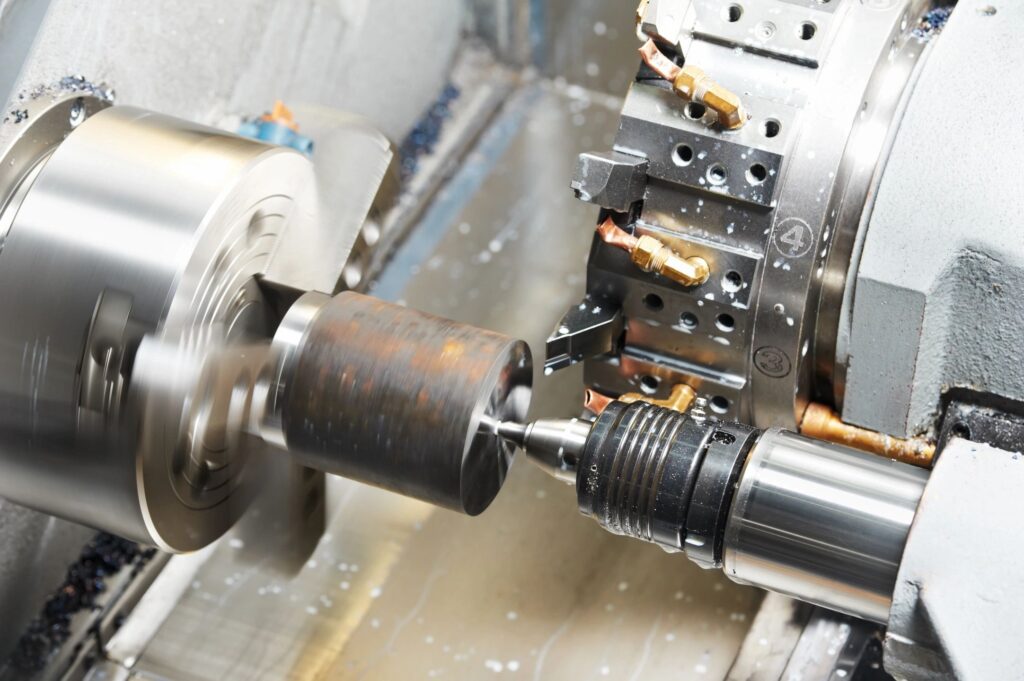
A CNC machining business with steady 8–10% profit growth, even in recession years, typically commands a higher valuation than a similar company with erratic earnings.
2. Normalization Adjustments (Add-backs)
Why it matters
- Not every expense the business incurs will continue after a sale.
- Add-backs reveal the company’s real earning power by removing non-recurring or owner-related costs.
How it’s checked
- Line-by-line expense reviews ensure every add-back, from excess salary to one-time litigation, is properly documented.
Manufacturing example
A family-owned metal shop’s add-backs, such as above-market owner pay and one-time legal bills, boosted normalized EBITDA by $255,000 and increased deal value by over $1 million.
3. Customer and Supplier Concentration
Why it matters
- Relying heavily on a few customers or suppliers creates risk.
- Losing a key partner could disrupt operations or cash flow.
How it’s checked
- Buyers analyze revenue sources and purchasing data from the last 3–5 years to assess dependency risk.
Manufacturing example
An automotive parts maker with two clients accounting for 65% of revenue was valued lower and required special deal terms compared to a diversified competitor.
4. Gross Margin Analysis by Product Line
Why it matters
- Not all products are equally profitable.
- Understanding which products drive margins helps buyers identify growth opportunities.
How it’s checked
- Margins are reviewed by product, production line, and customer to spot pricing or cost inefficiencies.
Manufacturing example
A plastics company found 70% of its profit came from just 30% of its products, a key insight that reshaped pricing strategy and negotiations.
5. Working Capital Requirements and Management
Why it matters
- Manufacturing operations need significant working capital.
- Buyers need clarity on how much cash is tied up in daily operations.
How it’s checked
- Analysts evaluate receivables, payables, and inventory turnover over 12–24 months.
Manufacturing example
A machining firm with 120 days of inventory and unbalanced payment terms required a $1.2M working capital adjustment at closing.
6. Capital Expenditure Analysis (CapEx)
Why it matters
- Ongoing equipment investment is essential for competitiveness.
- Deferred maintenance or large future CapEx affects valuation.
How it’s checked
- Buyers review CapEx history, asset condition, and future investment requirements.
Manufacturing example
A metal fabricator with $2.3M in deferred maintenance saw its sale price reduced by $2M after QoE review.
7. Inventory Quality and Valuation
Why it matters
- Inventory only adds value if it’s accurate and usable.
- Obsolete or overvalued stock erodes trust and price.
How it’s checked
- Buyers inspect inventory counts, aging reports, and turnover data.
Manufacturing example
An electronics manufacturer discovered $800,000 of obsolete parts, reducing the sale price accordingly.

8. Unrecorded Liabilities and Contingent Obligations
Why it matters
- Hidden liabilities like environmental or warranty risks can devastate post-sale cash flow.
How it’s checked
- Buyers review contracts, claims, and compliance records to identify contingent risks.
Manufacturing example
A chemicals plant with underfunded warranty reserves and potential cleanup costs saw a $1.5M valuation drop.
9. Quality Control Processes and Production Efficiency
Why it matters
- Strong financials lose value if poor production processes drive high scrap or rework costs.
How it’s checked
- Buyers examine scrap rates, warranty claims, and production data to assess efficiency.
Manufacturing example
A components maker with hidden rework costs lost buyer trust and deal value despite solid top-line growth.
10. Related Party Transactions
Why it matters
- Non-arm’s-length deals, like discounted leases or family contracts, distort earnings.
How it’s checked
- Buyers examine every related contract, leases, supplier agreements, and customer deals, to verify sustainability.
Manufacturing example
A packaging company leasing from the owner’s LLC below market rate saw EBITDA drop $180,000 once adjusted.
How to Prepare for a Quality of Earnings Review
- Gather 3–5 years of financial statements and supporting schedules.
- Reconcile owner-related or discretionary expenses in advance.
- Review customer and supplier concentration to identify risks.
- Prepare clear documentation for add-backs and capital expenditures.
- Work with an experienced M&A advisor to pre-empt questions and strengthen your position during diligence.
A well-constructed Quality of Earnings report gives buyers confidence to move forward with an acquisition. For sellers, addressing these 10 factors before going to market helps maximize value and avoid unwelcome surprises during due diligence.
The insights uncovered in a thorough QoE go beyond surface-level financials. Managing them proactively prevents re-trades, strengthens negotiations, and increases value.
Ready to Navigate the Complexities of Manufacturing M&A?
Whether you’re planning an exit or evaluating an acquisition, a professional QoE review is essential. Summit Capital Advisors specializes in manufacturing transactions and offers buy-side and sell-side M&A advisory services tailored to your needs.
Our team understands the nuances of manufacturing, from detailed financial diligence to operational best practices. Get confident about your next move; contact Summit Capital Advisors for a confidential consultation and secure your M&A goals.