
Leading Industrial Engineering Services Company
Case Study
Successful Sale of a Leading Industrial Engineering Services Company
Background
Summit Capital Advisors represented the owners of a well-established industrial engineering services company located in Ohio with a 60-year operating history. Originally founded as a traditional electrical contractor, the company evolved into a specialized provider of industrial automation, controls, and operational technology solutions serving customers throughout the Midwest.
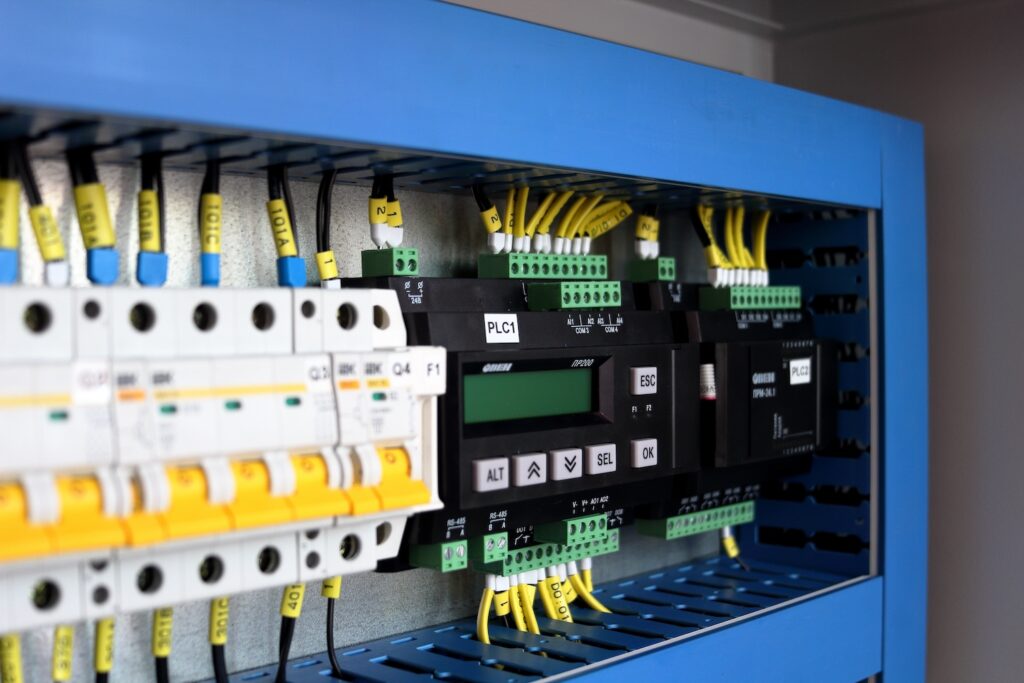
The company provided a comprehensive range of engineering and technical services, including electrical and mechanical system design, PLC and SCADA programming and integration, UL 508A control panel fabrication, power distribution, variable frequency drives (VFDs), and industrial electrical installation and maintenance. Its customer base spanned several industries, including water and wastewater treatment, food and beverage, automotive, metals, and chemicals.
Long-standing customer relationships, recurring service requirements, and a reputation for technical expertise and responsiveness helped establish the company as a trusted provider of specialized engineering solutions. The business operated with a small team of experienced technical professionals and generated strong profitability relative to its size.
As the owners began planning for retirement, their priority was finding a buyer capable of preserving the business’s legacy, supporting its employees and customers, and providing the technical expertise and resources necessary to sustain and grow the operation.
Transaction Overview
The business generated approximately $2.34 million in revenue and $695,000 in adjusted EBITDA in 2025, representing an adjusted EBITDA margin of nearly 30%. Revenue had remained relatively consistent over the preceding three years, with adjusted EBITDA increasing as the business benefited from its established customer relationships, specialized technical capabilities, and lean operating structure.
Despite its attractive financial performance, the opportunity presented a unique challenge in identifying the right buyer. A significant portion of the company’s technical knowledge, customer relationships, and operational leadership remained concentrated with one of the owners, a degreed electrical engineer with more than 35 years of industry experience who also held the company’s Ohio electrical contractor license.
An individual buyer with the appropriate engineering background and electrical contractor licensing could potentially step into the retiring owner’s role. However, that buyer would also need sufficient financial resources to complete the acquisition and support ongoing operations. Alternatively, a strategic acquirer with existing engineering talent, operational infrastructure, and financial resources could integrate the business into a larger organization while retaining the owner’s expertise during a structured transition.
Summit Capital Advisors pursued both buyer categories, recognizing that the ideal acquirer would need to offer more than financial capacity. Technical qualifications, operational compatibility, customer continuity, and a shared vision for the company’s future were equally important.
The transaction ultimately closed in October 2026 with a private equity-backed strategic acquirer operating a larger engineering and field services platform focused on the built environment. Specific purchase price and transaction terms remain confidential.


Challenges
Owner-Dependent Technical Expertise and Licensing
One of the most significant challenges was the company’s reliance on the retiring owner’s specialized engineering expertise, industry knowledge, customer relationships, and Ohio electrical contractor license. With more than 35 years of experience, the owner played a central role in engineering oversight, technical problem-solving, project execution, and maintaining important customer relationships.
For an individual buyer, successfully replacing these responsibilities would require substantial technical qualifications, practical industry experience, and the appropriate licensing. For a strategic buyer, the challenge was determining how to integrate the company’s capabilities into an existing organization while maintaining continuity of technical leadership, customer relationships, and service quality. A carefully structured transition arrangement was essential to addressing these concerns.
Limited Pool of Financially and Technically Qualified Buyers
Although the company’s size and profitability made it potentially attractive to individual owner-operators, identifying buyers with both the necessary technical qualifications and financial resources proved challenging. Some potential buyers possessed relevant engineering or industry experience but lacked sufficient capital or financing capacity to complete the acquisition, while others had the financial resources but lacked the technical background or licensing necessary to assume the owner’s responsibilities.
The owner’s continued involvement and licensing considerations also created potential complications for buyers seeking traditional acquisition financing, particularly where lender requirements could limit the duration or structure of the seller’s post-closing involvement. These factors narrowed the pool of viable individual buyers and reinforced the importance of identifying strategic acquirers with established engineering resources and operating infrastructure.
Navigating Institutional Due Diligence on a Smaller Transaction
Another challenge emerged during due diligence. The selected buyer was an established operating company backed by a private equity investment group. While this provided significant financial and operational resources, it also introduced an additional layer of institutional diligence that is not always encountered in transactions of this size.
The process included a third-party Quality of Earnings (QoE) review, extensive financial documentation, and detailed analysis of historical earnings adjustments and owner-related expenses. Although these procedures are increasingly common among private equity-backed acquirers, the scope of diligence initially created challenges for a small, privately held business with limited administrative resources.
Summit worked with the parties and their advisors to focus requests on information material to the transaction, establish practical methods for verifying financial adjustments, and balance the buyer’s diligence requirements with the size and resources of the business. This approach allowed the parties to complete the necessary financial review while maintaining momentum toward closing.
Approach and Execution
Broad Buyer Outreach and Qualification
Summit Capital Advisors developed a buyer outreach strategy designed to address the company’s technical requirements, ownership transition considerations, and strategic growth opportunities. The marketing process combined broad exposure to qualified individual buyers with a targeted outreach campaign focused on strategic acquirers.
The initial marketing effort reached individual buyers, experienced industry operators, and acquisition entrepreneurs who might have the background necessary to assume an active ownership role. Particular emphasis was placed on evaluating each buyer’s technical qualifications, licensing considerations, acquisition financing capacity, and ability to manage the company’s operations following the owner’s retirement.
This process helped distinguish buyers who were interested in the company’s financial performance from those who could realistically complete the acquisition and successfully operate the business.
Targeted Strategic Buyer Outreach
In parallel, Summit developed a targeted list of strategic acquirers operating in industrial automation, electrical engineering, controls integration, technical field services, and adjacent engineering disciplines. The outreach strategy focused on companies seeking to expand their service capabilities, enter new geographic markets, or strengthen their existing engineering teams through acquisition.
This included companies already providing similar automation and controls services, engineering and industrial service businesses seeking complementary capabilities, regional operators interested in establishing a presence in Ohio and the broader Midwest, and private equity-backed engineering and technical services platforms pursuing add-on acquisitions within the built environment sector.
The targeted approach generated interest from buyers capable of recognizing value beyond the company’s historical earnings. For these organizations, the acquisition offered an opportunity to add specialized technical capabilities, experienced personnel, established customer relationships, and a functioning office and field service operation without having to develop those resources internally.
Identifying the Right Strategic Fit
The ultimate buyer emerged as a particularly strong strategic match. The acquiring company operated a larger engineering and field services platform with established technical resources, operational leadership, and financial backing. Industrial automation and controls represented a complementary service offering that aligned with its broader expansion strategy.
The buyer already served customers who had needs for the types of automation, programming, and controls integration services offered by the seller. Acquiring the business would allow the buyer to expand those capabilities while establishing an additional operating location in a geographic market complementary to its existing footprint.
The opportunity also created meaningful cross-selling potential. The seller’s customers would gain access to a broader range of engineering and technical services available through the acquiring platform, while the buyer could introduce the seller’s automation and controls capabilities to its established customer base.
Equally important, the buyer possessed the organizational resources necessary to address the seller’s succession challenges. The larger platform could absorb administrative functions, provide human resources and employee benefits support, assist with recruiting and developing technical talent, and contribute additional engineering expertise as the retiring owner gradually transitioned out of day-to-day operations. This would allow the company’s technical personnel to focus more of their time on engineering, project execution, and revenue-generating field services.
Structuring the Ownership Transition and Managing Diligence
A central component of the transaction involved establishing a transition plan that retained the owner’s technical expertise while allowing the buyer to assume responsibility for the company’s broader operations. Rather than requiring the owner to exit immediately or expecting the buyer to replace decades of technical knowledge at closing, the parties developed a phased approach that provided continuity of engineering leadership and customer relationships.
This structure allowed the buyer to integrate the business into its existing platform while retaining access to the owner’s specialized knowledge during the transition. It also provided the opportunity to gradually transfer responsibilities, develop additional technical resources, and build upon the company’s existing capabilities.
Summit worked closely with the sellers, buyer, legal counsel, and financial advisors throughout the due diligence process. When the scope of the buyer’s financial review became challenging relative to the company’s size, Summit helped facilitate discussions around reasonable documentation requirements and practical verification procedures. Maintaining open communication and a shared focus on the strategic rationale for the acquisition helped the parties navigate these issues and move the transaction toward closing.
Results
The transaction successfully closed in October 2026, transferring the business to an established, private equity-backed engineering and field services platform positioned to support its next stage of growth.
For the sellers, the transaction represented a successful succession and retirement planning outcome. After decades of building the company’s reputation, technical capabilities, and customer relationships, they were able to transition ownership to an organization with the expertise and resources necessary to continue serving employees and customers. The negotiated transition arrangements also provided an opportunity for the owners to remain involved in appropriate technical and consulting capacities, supporting continuity while gradually transferring responsibilities to the acquiring organization.
For the buyer, the acquisition provided immediate access to specialized industrial automation and controls capabilities, an experienced technical workforce, established customer relationships, and an additional operating location in a complementary geographic market. Rather than developing these capabilities internally, the buyer acquired an established operation with a long history of successful project execution and customer service.
The combination also created opportunities for growth through cross-selling, expanded engineering resources, enhanced recruiting capabilities, and the integration of administrative functions into the buyer’s larger operating platform. Perhaps most importantly, the transaction addressed the company’s greatest succession challenge by pairing the retiring owner’s specialized expertise with an organization capable of supporting the business beyond the owner’s eventual departure.
The result was a strong strategic fit that aligned the sellers’ retirement objectives with the buyer’s long-term growth strategy.
Key Takeaways
-
Technical Expertise Can Be a Significant Succession Challenge: Businesses built around an owner’s specialized engineering knowledge, licensing, and customer relationships require careful buyer selection and transition planning.
-
Financial Capacity and Operational Qualifications Must Align: An individual buyer may have the technical skills to operate a business but lack the resources to acquire it, while a financially qualified buyer may lack the expertise necessary to replace the owner.
-
Strategic Buyers Can Unlock Value Beyond Historical Earnings: Complementary service offerings, cross-selling opportunities, geographic expansion, and existing operating infrastructure can create additional value for the right acquirer.
-
Private Equity-Backed Platforms Offer Resources Beyond Capital: Access to engineering talent, recruiting, human resources, employee benefits, financial support, and administrative infrastructure can strengthen a smaller acquired business and support future growth.
-
Due Diligence Should Be Appropriate to the Transaction: Institutional buyers may require extensive financial reviews, including Quality of Earnings analyses, even on smaller add-on acquisitions. Practical coordination and communication are essential to completing those reviews efficiently.
-
A Structured Transition Protects Business Continuity: Retaining the owner’s expertise during a defined transition period can help preserve customer relationships, maintain technical oversight, and provide time to integrate the business into a larger organization.
Conclusion
This transaction highlights the importance of looking beyond financial performance when evaluating the sale of a specialized industrial engineering services company. The business had an attractive financial profile, long-standing customer relationships, and highly specialized technical capabilities. However, its reliance on the retiring owner’s engineering expertise, licensing, and customer relationships created succession challenges that limited the pool of viable buyers.
Summit Capital Advisors addressed those challenges through a combination of broad buyer exposure, disciplined qualification, and targeted outreach to strategic acquirers whose existing capabilities and growth objectives aligned with the business. The ultimate buyer brought more than acquisition capital. Its established engineering platform, complementary services, operational infrastructure, and strategic expansion plans created an opportunity to preserve the company’s legacy while supporting its continued development.
By identifying the right strategic fit, coordinating a thoughtful ownership transition, and guiding the parties through a complex institutional diligence process, Summit successfully completed a transaction that positioned the sellers for retirement and the business for its next chapter.
A proven process gets proven results.
Let's Talk About Your Business and Goals
Contact an Advisor
Do you have a similar business you are considering selling or are you looking to buy a business like this? At Summit Capital Advisors, we look forward to speaking with you about your business goals, whether you are a business owner or a prospective buyer.
Please contact us via the form below to begin a confidential conversation.